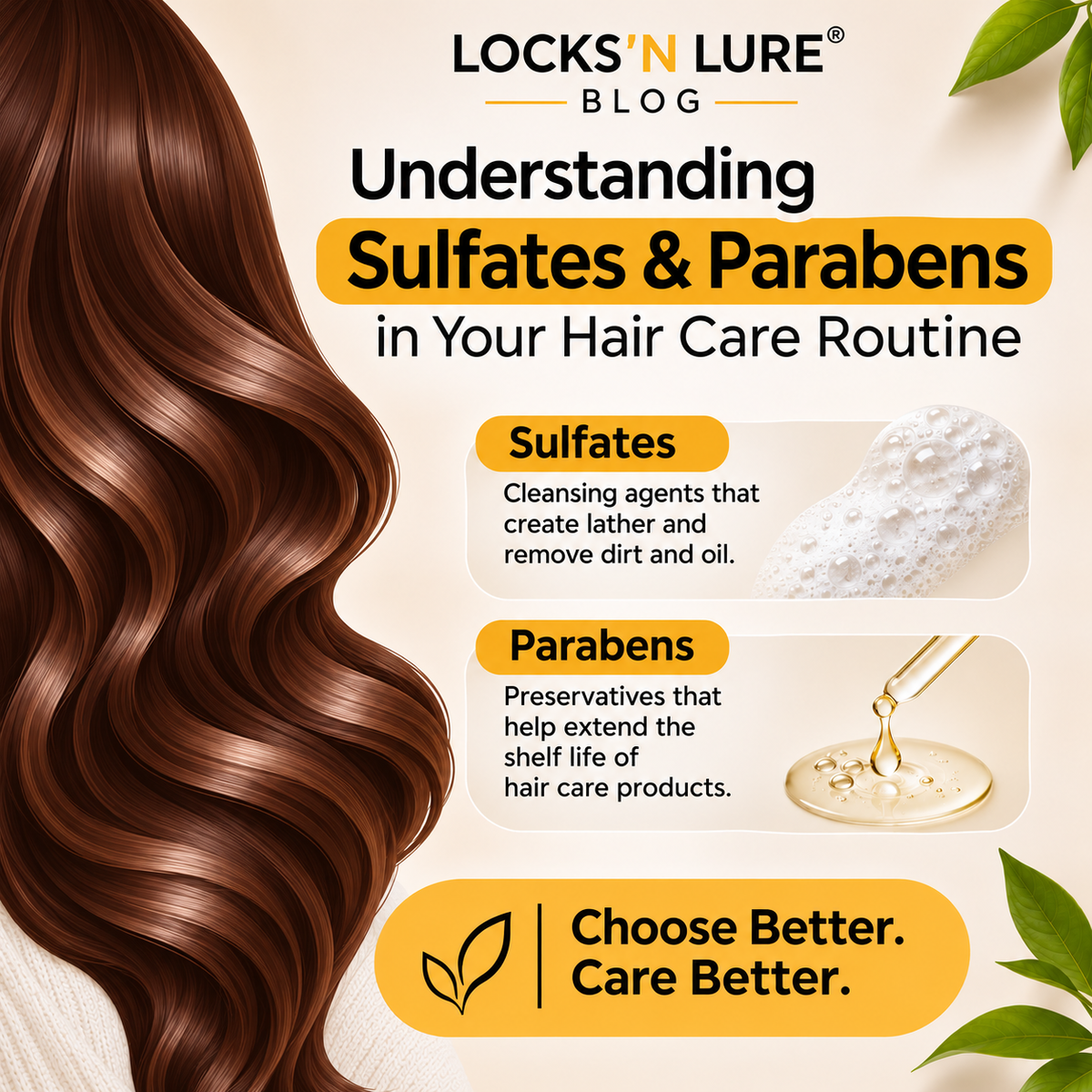
Ingredient lists can look intimidating, but you don't need to know every chemical name to make a useful choice. Begin by understanding what different types of ingredients are meant to do.
1. Argan oil: softness and shine
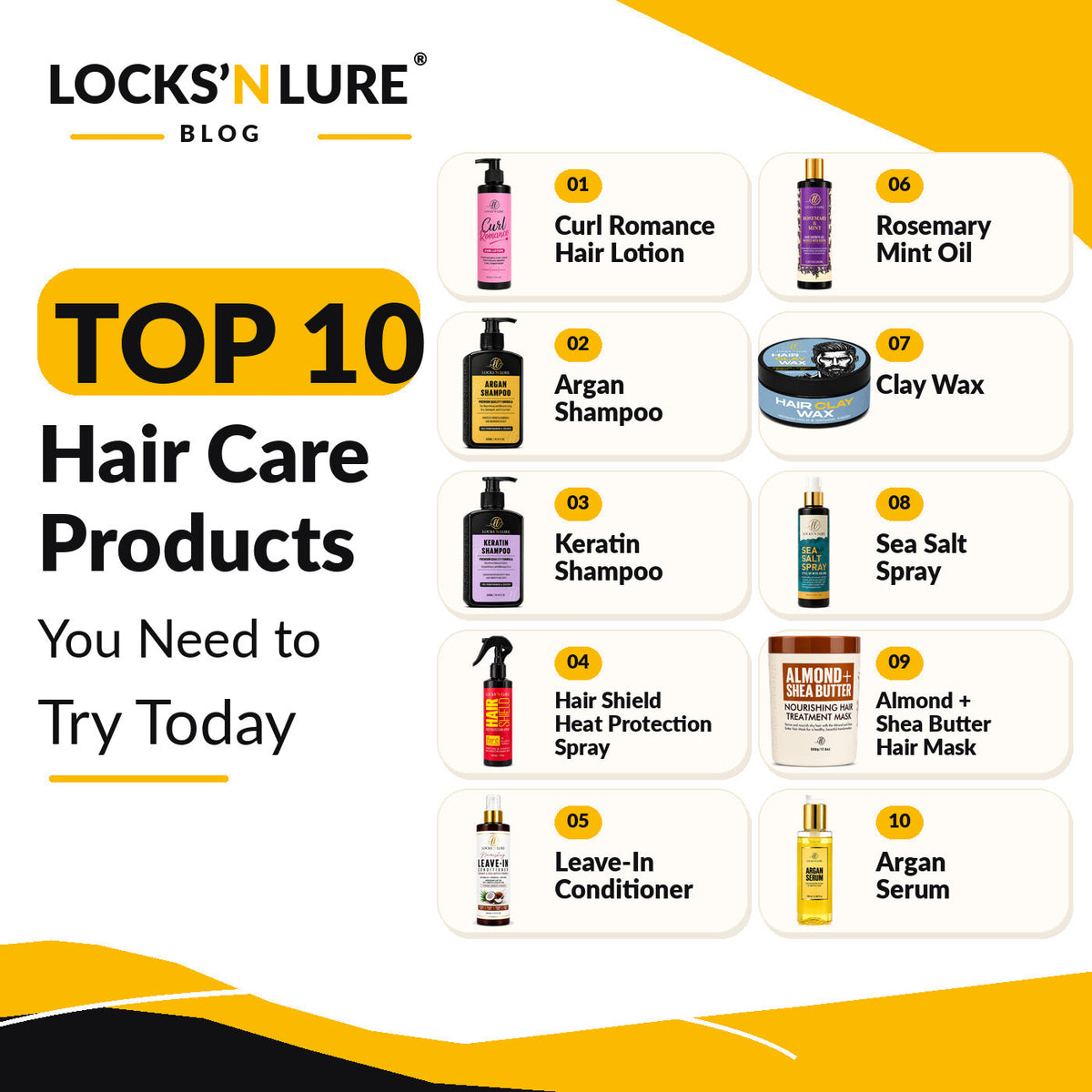
Argan oil is used in haircare for its conditioning properties. In the right formula, it can help hair feel smoother and appear shinier. It is not a guaranteed treatment for hair growth. Try Argan Shampoo or a small amount of Argan Serum as part of a frizz-focused routine.
2. Hydrolysed keratin: a conditioning protein
Hydrolysed proteins are included in some hair products to support the feel and appearance of hair. They do not permanently reverse chemical damage. Keratin Shampoo and Keratin Conditioner are options for a routine aimed at smooth, manageable hair.
3. Shea butter: richness for dry lengths
Shea butter is used in richer conditioning formulas, particularly for hair that feels dry or rough. People with very fine hair may prefer smaller amounts to avoid a weighed-down finish. Our Almond + Shea Butter Hair Mask offers an extra conditioning step.
4. Conditioning agents: the unsung heroes
Ingredients such as cetearyl alcohol and certain conditioning polymers help improve slip and reduce friction. Despite its name, cetearyl alcohol is a fatty alcohol, not the same as the drying alcohol people often worry about.
These ingredients are often central to why conditioner makes detangling easier.
5. Humectants: attracting moisture
Humectants such as glycerin are used in many cosmetic formulas to attract water. Their performance depends on the entire product and the conditions in which you use it. They are one part of a balanced formulation, not a magic ingredient on their own.
6. Rosemary: popular in scalp-care routines
Rosemary is often associated with scalp and haircare rituals. Although there is some limited research into particular rosemary preparations, it is not proof that every rosemary cosmetic product causes hair regrowth. Rosemary & Mint Hair Oil may be enjoyed as a conditioning step, with realistic expectations.
How to read an ingredient label
Ingredients are normally listed in a standardized order according to labeling rules, with specific exceptions for low concentrations. Look for a formula that addresses your concern, check for known allergens and follow the use instructions.
Remember: a complete formulation matters more than any one fashionable ingredient. Explore the LOCKS ’N LURE haircare collection to compare different routines.